Total knee replacement (TKR) is a highly effective surgery for reducing pain and restoring mobility in people with severe knee arthritis or injury. However, surgery is only the first step. Rehabilitation is what ultimately determines how well you recover, how strong your knee becomes, and how confidently you return to daily life.
Why Rehabilitation Matters
After a total knee replacement, the body needs guidance to heal properly. Muscles weaken, joints stiffen, and normal movement patterns are disrupted during and after surgery. A structured rehabilitation program helps:
-
Restore knee range of motion
-
Rebuild strength in the quadriceps, hamstrings, and surrounding muscles
-
Improve balance and walking mechanics
-
Reduce swelling and pain
-
Prevent complications such as stiffness or poor movement habits
Without proper rehab, patients may struggle with lingering pain, limited mobility, or difficulty returning to everyday activities.

Early Movement Is Key
Rehabilitation typically begins very soon after surgery—often within the first day. Early movement helps prevent stiffness, improves circulation, and promotes faster healing. Guided exercises focus on gentle range of motion, muscle activation, and safe walking techniques.
This early phase sets the foundation for long-term success.
Strength and Function Go Hand in Hand
As healing progresses, rehab shifts toward strengthening and functional training. Strong muscles around the knee are essential for tasks like climbing stairs, standing from a chair, walking longer distances, and maintaining balance.
Rehabilitation also retrains the nervous system, helping the body move efficiently and confidently again. This is especially important for preventing falls and protecting the new joint.
Rehab Helps Protect Your New Knee
A total knee replacement is designed to last many years, but how you move matters. Rehabilitation teaches proper movement patterns and joint loading strategies, reducing unnecessary stress on the implant. This can help extend the lifespan of the replacement and improve overall joint health.
Individualized Care Makes the Difference
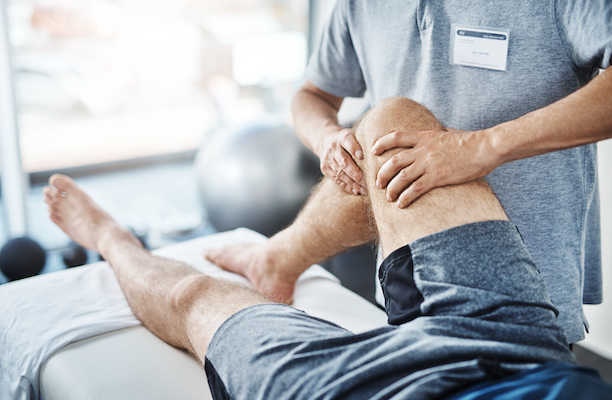
No two patients recover the same way. A personalized rehabilitation plan considers factors such as age, activity level, strength, mobility, and personal goals. Working with a qualified rehabilitation professional ensures exercises are progressed safely and appropriately throughout recovery.
The Long-Term Payoff
Patients who commit to rehabilitation after total knee replacement consistently report better outcomes: less pain, greater independence, improved confidence, and a higher quality of life. Rehab isn’t just about recovery—it’s about returning to the activities that matter most to you.
In short, surgery replaces the joint, but rehabilitation restores the person.
Disclaimer Notice Warning: All information provided Eric Hammer, Registered Physiotherapist/registered psychotherapist is of a general nature and is furnished only for educational/entertainment purposes only. No information is to be taken as medical or other health advice pertaining to any individual specific health or medical condition. You agree that use of this information is at your own risk and Eric Hammer, Registered Physiotherapist/registered psychotherapist harmless from any and all losses, liabilities, injuries or damages resulting from any and all claims.