Recovering from a stroke is a journey that looks different for everyone. At Home Comfort Physiotherapy, our goal is to help you regain independence, improve mobility, and return to the activities that matter most to you—all from the comfort of your own home.
Your Initial Assessment
Your physiotherapist will begin with a comprehensive assessment to understand how the stroke has affected your strength, balance, walking, coordination, and daily activities. Together, you’ll create realistic, personalized goals based on your needs and priorities.
Your Treatment Plan
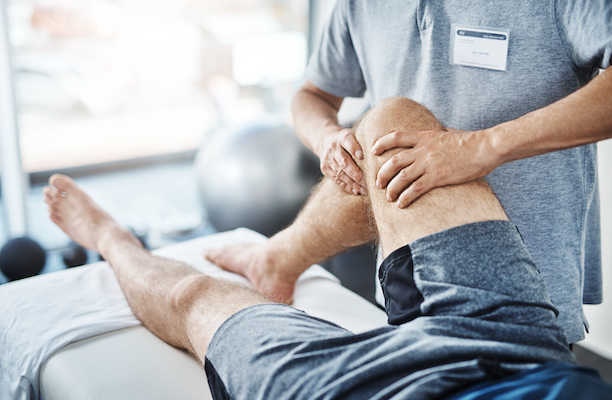
Stroke rehabilitation may include:
- Strength and balance exercises
- Walking and mobility training
- Transfers (such as getting in and out of bed or a chair)
- Coordination and movement retraining
- Fall prevention strategies
- Home exercise programs to continue your progress between visits
Every treatment plan is tailored to your individual abilities and progresses as you improve.
Recovery Takes Time
Stroke recovery is often gradual. While some people notice improvements within weeks, others continue making meaningful gains over months or even years. Consistency, repetition, and ongoing practice are key to maximizing recovery.
The Benefits of In-Home Physiotherapy
Receiving physiotherapy at home allows treatment to focus on the environment where you live every day. This means exercises and mobility training are practical, functional, and directly related to your daily routine. It also eliminates the stress of travelling to appointments.
We’re Here to Help
At Home Comfort Physiotherapy, we’re committed to providing compassionate, evidence-based care to support you and your family throughout your recovery. Whether your goal is to walk more confidently, improve your balance, or become more independent at home, we’re here to help you every step of the way.
If you or a loved one has experienced a stroke, contact Home Comfort Physiotherapy to learn how in-home physiotherapy can support your recovery.
References
- Canadian Stroke Best Practices. Rehabilitation and Recovery Following Stroke Guidelines (2023 Update). Heart & Stroke Foundation of Canada.
- Winstein CJ, Stein J, Arena R, et al. Guidelines for Adult Stroke Rehabilitation and Recovery. Stroke. 2016;47(6)–e169.
- Pollock A, Baer G, Campbell P, et al. Physical rehabilitation approaches for the recovery of function and mobility following stroke. Cochrane Database of Systematic Reviews. 2014;(4).
- Langhorne P, Bernhardt J, Kwakkel G. Stroke rehabilitation. The Lancet. 2011;377(9778):1693–1702.
- Teasell R, Salbach NM, Foley N, et al. Canadian Stroke Best Practice Recommendations: Rehabilitation, Recovery, and Community Participation Following Stroke. International Journal of Stroke. 2020;15(7):763–788.
Disclaimer: This article is intended for educational purposes only and should not replace an assessment or treatment recommendations from a qualified healthcare professional. Individuals experiencing severe pain, progressive weakness, loss of bowel or bladder control, or numbness in the groin area should seek immediate medical attention.
Disclaimer Notice Warning: All information provided Eric Hammer, Registered Physiotherapist/registered psychotherapist is of a general nature and is furnished only for educational/entertainment purposes only. No information is to be taken as medical or other health advice pertaining to any individual specific health or medical condition. You agree that use of this information is at your own risk and Eric Hammer, Registered Physiotherapist/registered psychotherapist harmless from any and all losses, liabilities, injuries or damages resulting from any and all claims.